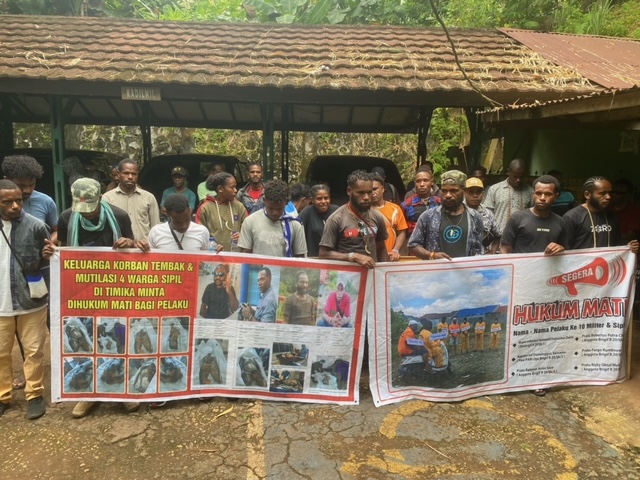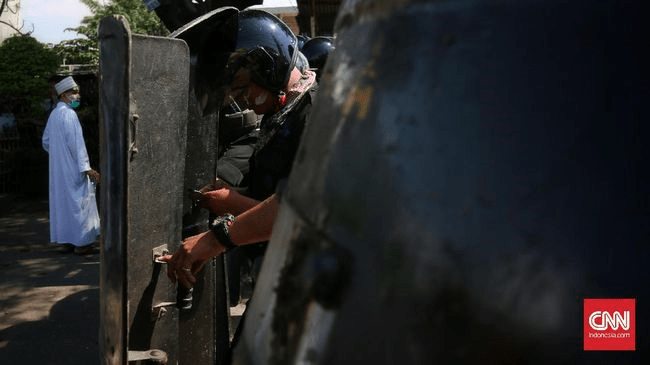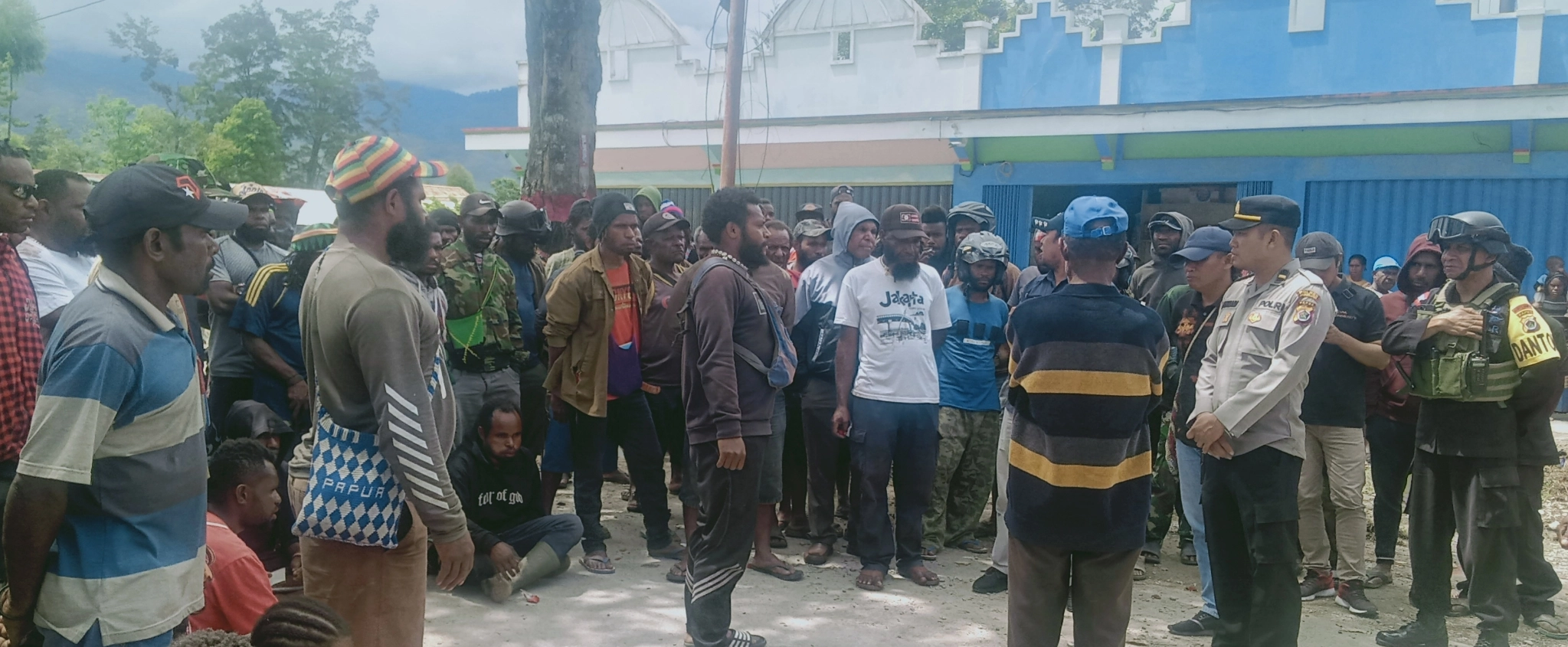
Amnesty says punishing perpetrators only way to prevent repeat of rights abuses

Kompas.com – January 12, 2023

Singgih Wiryono, Jakarta — Amnesty International Indonesia insists that the only way to prevent human rights violations from happening again is by trying the perpetrators in court.

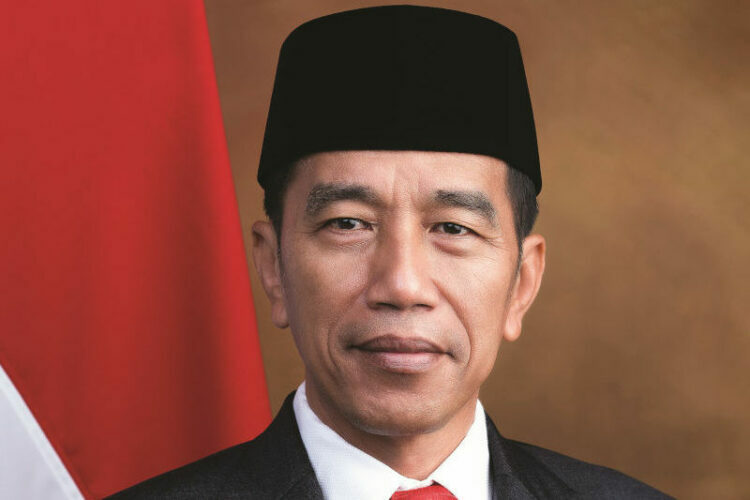
This was conveyed by Amnesty International Indonesia Executive Director Usman Hamid in response to a statement by President Joko “Jokowi” Widodo who acknowledged that 12 gross human rights violations had taken place in Indonesia.

“We wish to remind the Indonesian government that ending impunity through prosecution and punishment of the perpetrators is the only way to prevent the repeat of human rights violations”, said Hamid in a statement on Thursday December 12.

“And (also) provide truth and genuine justice to the victims and their families”, he reiterated.

Hamid said that the perpetrators must face legal proceedings and not be allowed to evade prosecution. “Let alone be given positions in government institutions”, he said.

According to Hamid, the government must immediately investigate, prosecute and try the perpetrators if President Widodo is committed to preventing a repeat of gross human rights violations.

In addition to this, Hamid also criticised Coordinating Minister for Security, Politics and Legal Affairs Mahfud MD who said that in previous cases perpetrators of abuses have been tried but set free due to a lack of evidence.

This is because, according to Hamid, perpetrators being set free by the courts prove that gross human rights violations in Indonesia are not being seriously addressed.

“Because, the institutions that have the authority and are under the direct authority of the president, namely the Attorney General, have in fact not seriously looked for evidence through a criminal investigation”, said Hamid.

Earlier, Widodo stated that gross human rights violations have indeed occurred in Indonesia.

This was conveyed after receiving a report from the Team for the Non-Judicial Resolution of Past Gross Human Rights Violations (PPHAM) at the State Palace on Wednesday January 11.

“I have carefully read the report on gross human rights violations from the PPHAM that was formed based on Presidential Decree Number 17/2022”, said Widodo.

“With a clear mind and earnest heart, I as Indonesia’s head of state admit that gross human rights violations did happen in the past”, said Widodo.

The president then claimed that he deeply regretted these violations.

“I have deep sympathy and empathy for the victims and victims’ families.

Therefore, first of all, the government and I are trying to restore the victims’ rights in a fair and wise manner without negating a judicial settlement”, he said.

Widodo then cited 12 cases of past gross human rights violations:

1. The 1965-1966 mass killings

2. The Mysterious Shootings (petrus) in 1982-1985 3. The Talangsari incident in Lampung, 1989 4. The Geudong House and Sattis Post incidents in Aceh, 1989 5. The forced disappearances of activists in 1997-1998 6. The May 1998 riots in Jakarta 7. The Trisakti and Semanggi I-II incidents in 1998-1999 8. The murder of shamans in 1998-1999 9. The Simpang KKA incident in Aceh, 1999 10. The Wasior incident in Papua, 2001-2002 11. The Wamena incident in Papua, 2003 12. The Jambo Keupok incident in Aceh, 2003

[Translated by James Balowski. The original title of the article was “Amnesty International: Hukum Pelaku Pelanggaran HAM Berat Satu-satunya Cara Mencegah Peristiwa Terulang”.]

Source:

https://nasional.kompas.com/read/2023/01/12/16171731/amnesty-international-hukum-pelaku-pelanggaran-ham-berat-satu-satunya-cara

—————————————————————

INDOLEFT News service

If you are not already subscribing to this news service, you can do so by sending a blank e-mail to <subscribe-indoleft@riseup.list.net> and you will be automatically added to the list.

To view the archive of Indoleft postings since 2003 visit:

<https://www.indoleft.org>.

Jokowi’s statement on past abuses lies and gimmicks ahead of elections:

Activist Kompas.com – January 13, 2023 Dian Erika Nugraheny, Jakarta — Human rights activists have cast doubts on President Joko “Jokowi” Widodo’s pledge to settle 12 cases of gross human rights violations acknowledged by the government through legal or judicial channels. Indonesian Legal Aid and Human Rights Association (PBHI) Chairperson Julius Ibrani believes that the statement conveyed by Widodo at the Presidential Palace complex in Jakarta on Wednesday January 11 is just a political pledge in the lead up to the 2024 legislative and presidential elections. “If we reflect on Jokowi’s statement, there were two key words. He acknowledged, regretted. What emerged were these two words, but many others were missing”, said Ibrani when contacted by Kompas.com on Thursday January 12. Ibrani said that Widodo’s speech failed to address the issues of what gross human rights violations occurred, the perpetrators and the number of victims. In addition to this, said Ibrani, Widodo also did not say what would be done by the state for the victims and their families who survived these incidents. “All of this was missing from Jokowi’s statement. So from these two key words Jokowi again showed his original face, as he has done since 2014, namely it was just more lies and gimmicks ahead of the elections, a political year” said Ibrani. Ibrani also said that civil society groups and human rights activists have discovered that the government did not in fact involve the victims in drafting or formulating Presidential Decree (Keppres) Number 17/2022 on a Team for the Non-Judicial Resolution of Past Gross Human Rights Violations (PPHAM). “There is absolutely no perspective of the victims. The perspective is the perspective of the authorities. In the end we predict that later there will be fictitious trials the aim of which is wash away the sins”, said Ibrani. “Later all that left to be said will be, ‘they’ve been tried but actually the evidence wasn’t enough. Actually the construction [of the prosecution] wasn’t strong’. Yet it was in fact them who put the evidence together. They also weakened the construction”, continued Ibrani. Yet, according to Ibrani, the government actually could and does have the authority to reopen investigations into the cases. And according to Ibrani, civil society groups even have the evidence and indicators related to many of these gross human rights violations. “We already understand these are just tricks. Far from justice for the victims. Far from revealing the truth, let alone adjudicating or trying the perpetrators. Let alone reforming the perpetrator’s institutions”, explained Ibrani. As reported earlier, President Widodo acknowledged that gross human rights violations had occurred in Indonesia in the past. “With a clear mind and earnest heart, I as Indonesia’s head of state admit that gross human rights violations did happen in the past”, said Widodo after reading out the PPHAM’s report at the Presidential Palace on Wednesday. The president also claimed that he deeply regretted these violations. The head of state then cited 12 past gross human rights violations. 1. The 1965-1966 mass killings2. The Mysterious Shootings (petrus) in 1982-1985

3. The Talangsari incident in Lampung, 1989

4. The Geudong House and Sattis Post incidents in Aceh, 1989

5. The forced disappearances of activists in 1997-1998

6. The May 1998 riots in Jakarta

7. The Trisakti and Semanggi I-II incidents in 1998-1999

8. The murder of shamans in 1998-1999

9. The Simpang KKA incident in Aceh, 1999

10. The Wasior incident in Papua, 2001-2002

11. The Wamena incident in Papua, 2003

12. The Jambo Keupok incident in Aceh, 2003 

“I have deep sympathy and empathy for the victims and victims’ families. Therefore, first of all, the government and I are trying to restore the victims’ rights in a fair and wise manner without negating a judicial settlement”, he said. “And second, myself and the government will truly endeavor to ensure that gross human rights violations do not occur again in Indonesia in the future”, he reiterated. In addition to this, Widodo also asked Coordinating Minister for Security, Politics and Legal Affairs Mahfud MD to supervise concrete efforts by the government to properly implement these two pledges. “Hopefully this effort will be a meaningful step for healing the mutual injuries of the children of the nation in order to strengthen our national harmony in the Unitary State of the Republic of Indonesia”, said Widodo. Mahfud also said that Law Number 26/2000 on Human Rights Courts regulates that gross human rights violations that occurred before 2000 shall be settled though ad hoc human rights courts on the agreement of the House of Representatives (DPR). Meanwhile gross human rights violations that occurred after 2000 will be tried through ordinary human rights courts. The evidence of this, said Mahfud, is that the government has already brought four cases of gross human rights violations that occurred after2000 to court, but the perpetrators were freed. “All of the suspects were released because there wasn’t enough evidence to say it was a gross human rights violations. That it was a crime, yes, but not a gross human rights violations, because they’re different”, he said. “If there’s a crime all of them can be prosecuted by law but there’s actually not enough evidence to declare them gross human rights violations”, Mahfud reiterated. Separately, Justice and Human Rights Minister Yasonna Laoly said that settling gross human rights violations judicially depends upon the existing evidence. “Yes, that’s for later, it depends on the data, the existing evidence”, said Laoly at the Presidential Palace complex on Thursday. He added that in the context of gross human rights violations there are matter that cannot be pursued for the sake of justice (pro-yustisia). [Translated by James Balowski. The original title of the article was “Janji Jokowi soal 12 Pelanggaran HAM Berat Dinilai Masih Banyak Kelemahan”.] Source: https://nasional.kompas.com/read/2023/01/13/17091381/janji-jokowi-soal-12-pelanggaran-ham-berat-dinilai-masih-banyak-kelemahan ————————————————————— INDOLEFT News service If you are not already subscribing to this news service, you can do so by sending a blank e-mail to <subscribe-indoleft@riseup.list.net> and you will be automatically added to the list. To view the archive of Indoleft postings since 2003 visit: <https://www.indoleft.org>.

Activist

KPK Chairman Describes Lukas Enembe as “Reckless Leader”

BY :MUHAMMAD AULIA

JANUARY 14, 2023

Jakarta. Anti-graft czar Firli Bahuri on Saturday slammed disgraced Papua Governor Lukas Enembe as the bad apple in the government who must be brought to justice for his corrupt behavior and financial extravagance at the expense of people in the province.Lukas was arrested earlier this week or four months after he was named corruption suspect for allegedly taking bribes from businessmen. Law authorities are also investigating his lavish lifestyle and his gambling habit.”The suspect sets an example of a reckless leader who, for whatever reasons, has shown indiscipline while holding a public office so he must face criminal prosecution,” Firli said in a statement.Papua receives a large amount of financial aid called “special autonomy funds” from the central government every year but the money had little effect on people’s prosperity in the impoverished province, Firli said.

Advertisement

Elites in the Papua government took the funds from the central government to enrich themselves and “stirred public opinion to justify the theft” and manipulated their own people as if the funds were spent on public interests, Firli said.In reality, there have been no significant development projects by the provincial government over the years despite the continued financial aid from the central government.“The KPK arrives to recover and secure money and state assets which must be used to boost the prosperity of the people in Papua,” he added.Chief Security Minister Mohammad Mahfud MD said in October that the central government had channeled a total of Rp 1,000 trillion ($66 billion) in “autonomy funding” to Papua since 2001, about half of the amount was disbursed during Lukas’ term.“More than Rp 500 trillion ($33 billion) has been disbursed during Lukas Enembe’s tenure but nothing happened: the people remain poor and the officials continue their lavish lifestyle,” Mahfud said.the Financial Transaction Reports and Analysis Center revealed that Lukas has made payments totaling 55 million Singapore dollars (US$39 million) to overseas casinos since 2017 after they analyzed the governor’s financial records at the request of the KPK.At one point, Lukas spent 5 million Singapore dollars in a single casino payment, according to the PPATK. The KPK also found that Lukas once paid 55,000 Singapore dollars for a watch.On Thursday, a lawyer for Lukas demanded his immediate release, citing his poor medical conditions.Petrus Bala Pattyona said Lukas has a stroke and heart, kidney, and lung problems and needs to undergo medical treatment regularly.

Biak Numfor residents encouraged to grow one million chili plants 

8th January 2023

Second Assistant of the Biak Numfor Secretary for Economy and Development Lot Jensenem. ANTARA/Muhsidin

Biak, Papua (ANTARA) – The Biak Numfor district administration in Papua Province continues efforts to control inflation rate by boosting the cultivation of one million chili plants in 257 villages, a local government official said.

“This year, we continue to push chili farming in various villages,” Second Assistant of the Biak Numfor Secretary for Economy and Development Lot Jensenem said.

Growing the one million chili plants is aimed at helping the government control the inflation rate, and improve households’ income, he said.

To this end, locals are encouraged to join the movement for growing one million chili plants, Lot Jensenem said, adding that the government has collaborated with related agencies to supply the chili seeds.

“The Biak Numfor district government has provided (those wanting to join the movement with) chili seeds and fertilizer,” he added.

During a hearing session with members of the House of Representatives (DPR) on September 1, 2022, Finance Minister Sri Mulyani Indrawati had highlighted the importance of developing domestically harvested commodities.

One of the commodities that Indrawati highlighted to help reduce the inflation rate in volatile food prices in August 2022 was chili.

“The rate used to increase to 11 percent, and now, it decreased to eight percent. An analysis showed that food commodities helped lower the percentage,” she noted at the hearing session.

Volatile prices in August 2022 experienced an inflation of 8.93 percent on an annual basis while on a monthly basis experienced a deflation of 2.9 percent, she remarked.

This realization decreased as compared to July 2022, specifically volatile prices on an annual basis that recorded an inflation of 11.47 percent and contributed to the overall inflation of 4.94 percent (yoy) of 0.25 percent, Indrawati added.

She noted that this decline showed an increase in inflation caused by volatile food that was highly dependent on global conditions.

On the other hand, the volatile food factor can be controlled relatively quickly, especially in terms of chili commodities, Indrawati remarked.

She explained that most of the commodities can be produced domestically at affordable prices, with sufficient quantities to stabilize prices.

Related news: West Papua prepares for TNI commander, police chief visit
Related news: BMKG records 483 aftershocks after 4.9M-quake in Jayapura
Related news: Papua: Biak regional hospital readied as stroke, heart referral center

Reporter: Muhsidin, Rahmad Nasution
Editor: Anton Santoso

TPNPB burns down Sentani New Market in Jayapura Regency

News DeskSentani New Market

9 January 2023

Sentani New Market
Sentani New Market in Jayapura Regency caught fire. – Jubi/IST

Jayapura, Jubi – Spokesman for the West Papua National Liberation Army (TPNPB) Sebby Sambom said his party had burned down Sentani New Market in Jayapura Regency on Friday, January 6, 2023.

“TPNPB special forces burned down Sentani New Market on January 6, 2023. We burned in accordance with TPNPB’s order on December 1, 2021 that we will carry out a total revolution and expel all Indonesian immigrants in the Land of Papua,” Sambom said on Sunday, January 8, 2023, forwarding a message from TPNPB special member Dorompet Jelemaken who had burned Sentani New Market.

According to the TPNPB, the economy is the thing that maintains Indonesia’s position in the Land of Papua, therefore TPNPB burned the market.

“This arson was purely carried out by TPNPB under the leadership of Gen. Goliath Naaman Tabuni and Maj. Gen. Lekagak Telenggen. We are ready to take responsibility,” he said.

Dorompet Jelemaken told Sambom that according to the TPNPB General Military Emergency Session at the Ngalum Kupel Kodap XV Headquarters on November 29-December 1, 2022, it was instructed that migrants must immediately leave the Land of Papua by 2023.

“The TPNPB troops burned down the market to expel illegal Indonesian immigrants,” he said.

Sambom said that apart from Dorompet Jelemaken, there were five people with him who burned down the market. “This is a struggle to expel Indonesian colonizers on the Land of Papua,” he said. (*)

) Kaimana Govt seeks to discipline teachers and health workers

Kaimana, Jubi – The Kaimana Regency Administration seeks to discipline teachers and health workers who are often negligent in carrying out their duties, says Kaimana Regent Freddy Thie based on a working visit to seven regencies in 2022 in which he received many complaints from residents about teachers and health workers who were rarely on duty.

“In almost every village I visited, people always complained about education and health services. People report that teachers and health workers are rarely on duty,” he said when contacted from Manokwari on Tuesday, January 3, 2023.

“Apparently this is a classic problem in our regency that has never been resolved for a very long time,” Freddy Thie added.

The former businessman said he was concerned when he learned about the condition of education and health services in rural and coastal areas.

“The education of our children in the villages is not going well. They have months off because their teachers go back to the city even though they receive a salary from the government every month,” said Freddy.

He argued that the phenomenon of state civil apparatus (ASN) neglecting their duties did not only occur in villages far from the city center. Even in Kaimana City, there are still government employees who neglect their duties.

“There are still ASNs and contract workers who come to the office just to fill in attendance, and there are those who never come to work for months,” said Freddy.

Therefore, he said, the Kaimana Government is trying to discipline all state civil apparatus and government employees to optimize the delivery of community services.

“We are committed that in 2023 we will enforce disciplinary rules on those unruly civil servants and contract workers,” he said.

After conducting a Christmas Safari in Teluk Etna some time ago, the regent ordered Kaimana Regional Secretary Donald R Wakum to immediately follow up on reports and complaints from residents about teachers and health workers who were often absent.

“I immediately told the secretary to record all the names of irresponsible teachers and health workers. There must be a letter of reprimand. But if they are still stubborn, we will take firm action, either by withholding salary or dismissal,” said the Kaimana Regent. (*)

Weapons export permits granted by Defence to send lethal technology to accused human rights violators

Exclusive by defence correspondent Andrew Greene

Posted 15m ago https://www.abc.net.au/news/2023-01-07/defence-grants-weapon-exports-permits-nations-human-rights/101833968

The Defence Department has granted dozens of weapons export permits over the past two years to nations accused of mass human rights violations and war crimes.

The ABC can reveal approval is routinely given for Australian-made lethal technology to be sent to Saudi Arabia, the United Arab Emirates and Indonesia, but the federal government insists careful consideration has been given to each decision.

Official figures from Defence confirm 200 permits for “military or dual-use” exports were issued in total for the three nations between 2021 and 2022, although during the same period thousands of approvals were also given to countries such as the US and New Zealand.

Number of permits issued for military or dual-use exports

Country                                 2021                1 January 2022- 9 November 2022

Kingdom of Saudi Arabia        17                    21

United Arab Emirates             36                    25

Indonesia                                52                    49

Greens senator David Shoebridge, who has pursued details of the deals during budget estimates, claims Australia is doing business with “some of the worst human rights abusers on the planet”.

“Australian weapons are helping to fuel the brutal war in Yemen, causing the world’s largest humanitarian catastrophe forcing millions of children into hunger,” he said. 

“It’s a war on children and these shocking new weapons export figures show Australia has blood on its hands.”

Defence has declined to offer any other details of the weapon sales to the Middle East and Indonesia, but the ABC understands they include remote weapon stations, small arms, ammunition and armoured transport equipment.

“What is concerning is just how little transparency there is on Australia’s defence exports. We’re told almost nothing,” Senator Shoebridge says.

Human rights activists have long accused Saudi Arabia and the UAE of committing mass atrocities while leading a coalition fighting a war against Houthi rebels in Yemen, one of the poorest nations in the Middle East. 

For decades evidence has also emerged of alleged torture and massacres of innocent people by Indonesia’s military while trying to suppress the West Papuan Independence movement.

Defence Industry Minister Pat Conroy says all exports to Saudi Arabia, the United Arab Emirates and Indonesia have been dutifully “assessed against Australia’s export controls legislative criteria”.

“The Australian government takes its export control obligations seriously, including as a member of the international export control regimes,” he said.

“The Department of Defence assesses all defence export applications on a case-by-case basis.

“This includes careful consideration of a broad range of factors, including Australia’s international legal obligations, as well as human rights, regional and national security, and foreign policy considerations.”

During 2021 and 2022 Defence Export Controls approved close to 3,500 military and dual-use export permits to multiple destinations around the world, with the top five recipients being the US, New Zealand, UK, Germany and Canada.

Mr Conroy insists “if overriding risks to Australia’s security, defence, or international relations had been identified, the permits would have been refused”.

Calls for Australia to follow US and Europe to increase transparency 

The Defence Department consistently refuses to release details of individual weapons exports citing “commercial sensitivities”, despite Australian defence companies regularly promoting their overseas sales, and other comparable nations publishing data.

Across Europe and the United States governments have moved to publish detailed information about their weapons sales, often including the precise arms involved, and their value.

John Blaxland from the Australian National University’s Strategic and Defence Studies Centre argues the new figures on weapons exports are not surprising given the existing economic and security cooperation this country has with Saudi Arabia, UAE and Indonesia.

“Australia trades with these countries, there’s aspects of the trade that some people aren’t going to be all that comfortable with, but this is standard fare,” he said.

“We can’t help but do business with these countries. To pretend that we are going to engage with them on one level and then disengage with them on another is not realistic.”

However, Professor Blaxland says he shares Senator Shoebridge’s concern about the lack of transparency over Australia’s global arms industry.

“Australia can afford to be a lot more open and transparent about its transactions, absolutely,” he said.

“We have a bit of a complex, we’re a middle power with small power pretentions and we sometimes need to get over ourselves.”

Residents reject construction of police station in Baya Biru

News Deskreject construction of police station

3 January 2023

police station
The people of Baya Biru District, Paniai Regency, Central Papua Province rejected plans to establish a police station and TNI post in the area, Saturday (31/12/2022).-Jubi/Islami.

Jayapura, Jubi – The people in Baya Biru District, Paniai Regency, Central Papua Province reject the plan to build a police station in the area. Resident representative Noak Tagi said the entire Baya Biru community firmly rejected the construction.

“We have lived safely and comfortably for a long time without police or police stations. We are very worried that the presence of the police will make our area uncomfortable,” said Noak Tagi when contacting Jubi on Monday, January 2, 2023.

Noak said there were several important reasons the community reject the presence of a police station in Baya Biru.

According to him, Baya Biru is located in the largest illegal gold mining area in the Meepago region, which has been ignored by the Paniai administration. The Baya Biru community is still disappointed and traumatized by the shooting of six residents by mobile brigade officers in 2014, which resulted in the death of Melianus Abah and five others injured in Ndeotadi Village.

“Therefore, we believe that the police have a certain interest in the gold mining area. They don’t build a post here for the sake of protecting and protecting the community of Baya Biru,” he said.

Meanwhile, the representative of the local tribal chief, Alex Makipa, said that even though the police had discussed the plan with a group of tribal chiefs, it still did not involve all parties including the tribal chief in the districts, therefore the meeting was invalid.

“Therefore we reject the plan. Yahya Kegepe, a representative of the village government; Yafet Piame, a representative of traditional leaders; as well as Pius Kegepe, a youth leader, also said the same thing,” he said.;

Taking into account these points, he said, the local community urged the Paniai administration and the Paniai Regent, Meki Nawipa, as well as Paniai Police chief Comr. Abdus Syukur Felani to immediately revoke and withdraw the plan to establish a police station in the Baya Biru district. (*)

————————————

Papua Police says TPNPB a threat in Papua Cendrawasih Land  

News DeskArmed Conflict in Papua

30 December 2022

Papua Police
Papua Regional Police Chief Inspector General Mathius D Fakhiri – Jubi/Dok

Jayapura, Jubi – The Papua Police said the presence of the West Papua National Liberation Army (TPNPB) remained a frightening threat to residents, especially non-Papuan communities. “It is still a prominent case in Papua, which needs to be the concern of all parties,” said Papua Police chief inspector Gen. Mathius Fakhiri in Jayapura City on Wednesday, December 28, 2022.

Fakhiri said that throughout 2022, there were at least 90 acts of violence allegedly committed by the TPNPB. The figure is less than the number of cases in 2021, which was 106.

“This year there were 90 cases that occurred in Yahukimo Regency, Intan Jaya Regency, Puncak Regency, Puncak Jaya Regency, Nduga Regency, Bintang Mountains Regency, Yalimo Regency, Jayawijaya Regency, and Yapen Islands Regency,” Fakhiri said.

According to Fakhiri, the various acts of violence took casualties on the Indonesian Military (TNI) and police and civilians. Throughout 2022, ten TNI soldiers died allegedly due to TPNPB violence, and 14 other TNI soldiers were injured. In the same period, four police officers died allegedly due to TPNPB violence, while three others were injured.

Fakhiri said the number of civilians who died in various acts of violence was even higher. As many as 39 people died due to the violence, and ten people were injured. “While the victims from the TPNPB were five people,” he said.

Fakhiri asked the local government, especially the regents, the Regional Government Work Unit, and the Regional People’s Council to lead and be an example for the communities to involve in activities with the police. “The Papua Police optimize the efforts of a more humanist approach, which is expected to answer various problems that have often been a trigger for security disturbances in the community,” he said. (*)

Related News

From declining deforestation to quitting coal, Indonesia marks a pivotal 2022

by Isabel Esterman on 30 December 2022

Below is a SHORT EXTRACT FROM https://news.mongabay.com/2022/12/from-declining-deforestation-to-quitting-coal-indonesia-marks-a-pivotal-2022/

CLICK ON THIS LINK FOR TH FULL STORY

  • 2022 saw a continued decline in deforestation in Indonesia, as well as financing deals for forest conservation and phasing out fossil fuels, and a scramble to keep up with changing EU timber regulations.
  • The year also saw the passage of controversial amendments to Indonesia’s criminal code, friction between the government and researchers, and increasing concerns about the environmental cost of the country’s nickel boom for electric vehicle batteries.
  • Here are some of the top environment stories and trends of 2022 from one of the world’s most important tropical forest countries.

Home to the world’s third-largest expanse of tropical forest, the world’s fourth-biggest population, and frequently ranked among the world’s top 10 greenhouse gas emitters, Indonesia is a country where what happens has a vast effect on global biodiversity and environmental health.

Here, assembled by Mongabay staff, are some of the top news and trends from Indonesia in 2022.

Deforestation continues to slow

Between 2001 and 2021, Indonesia lost more than 28 million hectares (69 million acres) of forest, an area larger than New Zealand, according to Global Forest Watch. However, since peaking in 2016, forest loss in Indonesia has continued to decline. According to GFW, the country lost 841,000 hectares (2.08 million acres) of tree cover in 2021, including 203,000 hectares (502,000 acres) of primary forest, both the lowest levels recorded since 2003. Deforestation linked to oil palm expansion, for years a primary driver of forest loss, has also shown a marked decline. An analysis by palm oil supply chain mapping initiative Trase found that deforestation in Indonesia associated with palm oil dropped by 82% in the past decade. The trend also appears to hold across the region, with palm oil-linked deforestation across Indonesia, Malaysia and Papua New Guinea dropping for the second year in a row in 2021, according to a study by sustainability risk analysis organization Chain Reaction Research. The declines, which occurred even as palm oil prices rebounded in the wake of the COVID-19 pandemic, have been described as “huge huge news” and a signal that sustainability pledges are having a real impact on deforestation.

While the numbers have generally been met with optimism, activists note that there is still cause for concern. “Indonesia’s forests are not yet out of danger: 2.4 million hectares [5.9 million acres] of intact forest remain in existing palm oil concessions,” Timer Manurung, director of Indonesian environmental NGO Auriga Nusantara, told Mongabay. “Legally speaking, companies could clear [these] forests. Right now, there’s no legal protection.” Forests in Indonesian Borneo and Papua are particularly in danger, Timer said.

This echoes broader concerns about deforestation in the country: a 2021 report by a coalition of Indonesia NGOs found that while Indonesia’s overall annual deforestation rate fell, forest loss in the regions with the most remaining forest, concentrated in the country’s eastern islands like Papua, actually increased. Environment activists also point to recent government policies as potential threats to forests, including a push to expand large-scale food estates, plans to build a new capital city in Borneo, major infrastructure projects, and a program to promote palm oil-based biofuel.

Burning within Tesso Nilo National Park.
Between 2001 and 2021, Indonesia lost more than 28 million hectares (69 million acres) of forest. However, since peaking in 2016, forest loss in Indonesia has continued to decline. Image by Rhett A. Butler/Mongabay.

EU deforestation law prompts a regulatory upgrade

In December, the European Union finalized a law banning the trade of timber and other forest products associated with deforestation and forest degradation, even if the products are sourced and exported legally. Once the law is fully enacted, companies will be required to issue due diligence statements verifying that any goods they import into the EU are deforestation- and forest degradation-free. Conservation groups like Greenpeace and WWF have lauded the law as “groundbreaking” and a “major breakthrough for forests.”

Indonesian officials, however, have slammed the law, saying it negates more than a decade of progress by the country in complying with existing EU sustainability codes. Since 2011, Indonesia has worked with the EU to develop a system, known as the SVLK, to verify the legality of its exported timber. The SVLK is supposed to favor Indonesian timber products, granting them a “green lane” that exempts them from stringent checks on arrival. The new law, officials and industry insiders say, shifts the goalposts after the arduous process of bringing exporters into compliance with SVLK requirements.